Exploring Interconnections Among Bonus Claim Processes, Safety Assessments, and Live Game Accessibility in Application-Based Casino Environments
Written by Elena Richter · Sep 24, 2026
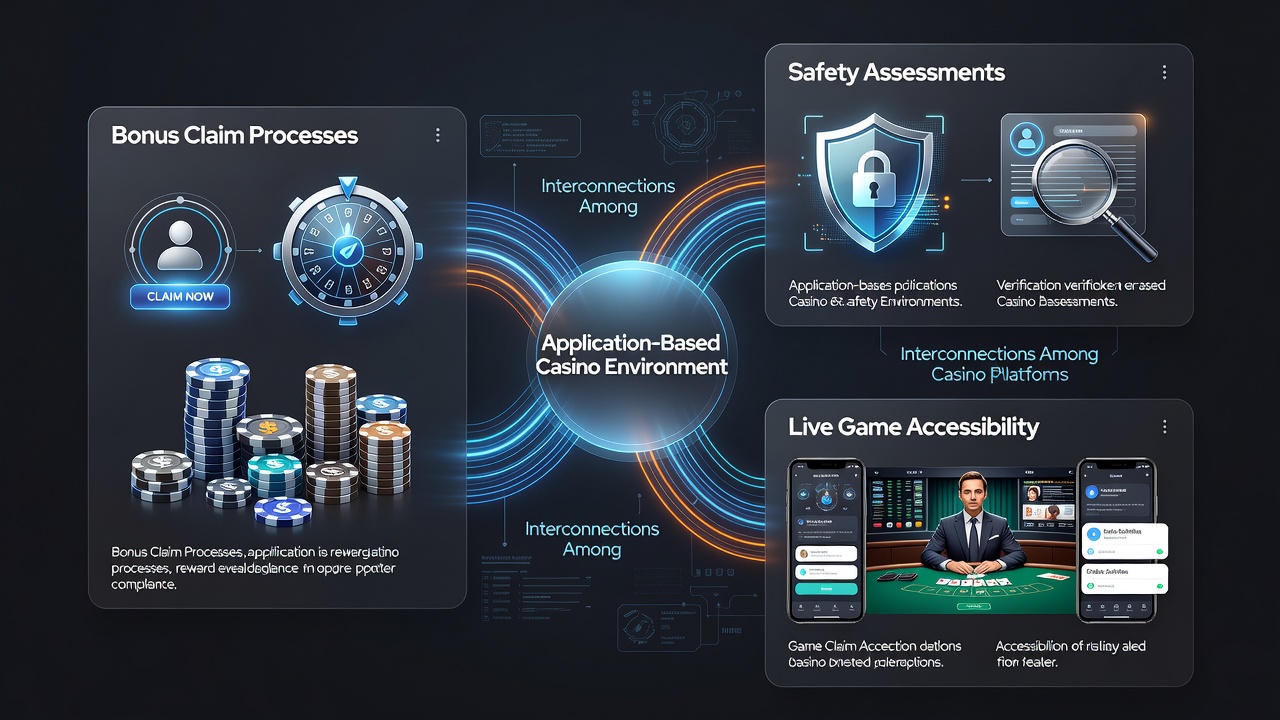
Exploring Interconnections Among Bonus Claim Processes, Safety Assessments, and Live Game Accessibility in Application-Based Casino Environments
Application-based casino environments integrate bonus claim processes with safety assessments and live game accessibility through coordinated backend systems that handle verification, encryption, and real-time streaming. Data from regulatory bodies shows these elements operate in sequence, where a successful bonus activation often triggers additional security checks before granting access to live dealer sessions. Observers note that developers design these connections to maintain compliance across multiple jurisdictions while supporting seamless player transitions between promotional offers and interactive tables.
Bonus Claim Processes in Mobile Platforms
Bonus claim processes typically begin with user authentication followed by automated eligibility checks that cross-reference account history and transaction records. Research indicates that many platforms require players to complete identity verification steps before releasing no-deposit or deposit-match rewards, and these steps frequently incorporate multi-factor authentication protocols. When claims succeed, the system updates wallet balances in real time, which then influences available game selections including live dealer options.
Figures from industry reports reveal that processing times for bonus claims average under two minutes on optimized applications, yet delays occur when safety flags trigger additional reviews. Those who've examined platform logs find that bonus structures often link directly to wagering requirements that must be tracked across both slot and live game categories to ensure fair distribution of promotional funds.
Safety Assessments and Their Role
Safety assessments encompass ongoing evaluations of encryption standards, payment gateway integrity, and vulnerability scanning for mobile applications. According to data released by the Nevada Gaming Control Board, licensed operators conduct quarterly audits that examine how bonus systems interact with user data protection measures. These assessments also review live game accessibility features, confirming that video streams and chat functions maintain secure connections without exposing sensitive account information.
Researchers discovered that integrated safety protocols can pause bonus claims mid-process if anomaly detection identifies unusual activity patterns, thereby protecting both the operator and the player. In September 2026, several platforms updated their assessment frameworks to align with new mobile security benchmarks, resulting in faster resolution of flagged transactions while preserving live table availability for verified users.
Live Game Accessibility Features
Live game accessibility relies on stable network connections, device compatibility testing, and adaptive interfaces that adjust to various screen sizes and operating systems. Studies found that applications incorporating bonus claim histories into player profiles can personalize live dealer recommendations, such as suggesting tables with lower minimum bets after a promotional deposit clears. This personalization occurs through data synchronization that respects safety parameters established during initial assessments.
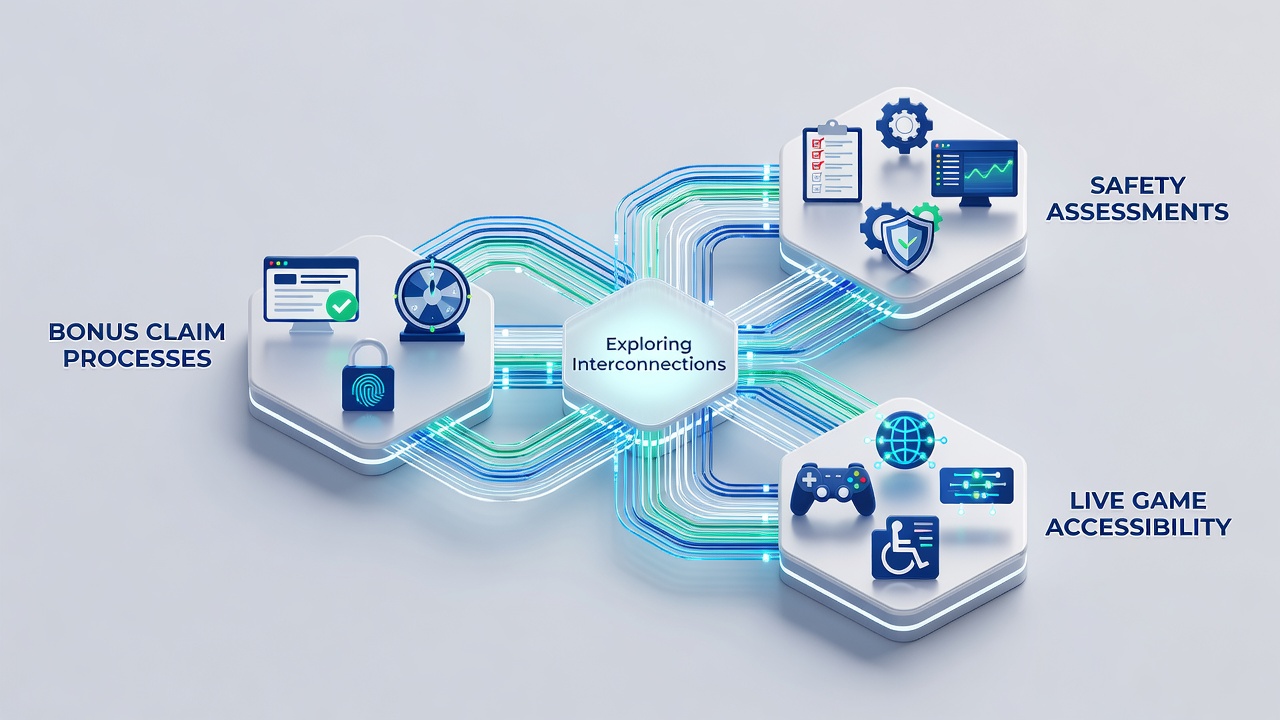
Those who've analyzed user flow data note that accessibility improves when bonus verification completes without interrupting the transition to live sessions. Regulatory updates in regions like Australia and parts of Canada have encouraged operators to publish accessibility metrics that include uptime statistics for live games alongside bonus processing reliability figures. The result is a measurable increase in session continuity across devices.
Interconnections Across Systems
The three areas connect through shared databases and API frameworks that allow real-time information exchange between bonus engines, security modules, and streaming servers. Evidence suggests that when a bonus claim passes safety assessment criteria, the system automatically adjusts live game access permissions, such as unlocking higher-limit tables for players who meet wagering thresholds. This linkage reduces redundant checks and supports smoother navigation within the application.
One study revealed that platforms using unified authentication layers experience fewer interruptions during live sessions triggered by bonus activations. Operators in multiple markets coordinate these interconnections to comply with varying regional standards, which often requires modular code that can be adjusted without affecting overall performance. Data shows that effective integration correlates with higher retention rates across both promotional and live game segments.
Conclusion
Application-based casino environments demonstrate clear operational links among bonus claim processes, safety assessments, and live game accessibility. These connections rely on technical infrastructure that prioritizes verification speed alongside protective measures, enabling consistent access to interactive tables once promotional requirements are satisfied. Ongoing refinements in September 2026 and beyond continue to shape how these systems function together across different regulatory landscapes.